“Epigenetics Explained” Train-the-Trainer Course for Educators
Our biology teacher, Vesna Hlavati Širka, participated in the “Epigenetics Explained” course aimed at secondary-school STEM teachers across Europe, organised by the European Molecular Biology Laboratory (EMBL) Science Education and Public Engagement (SEPE) team in Heidelberg, Germany. The course was held from 2–4 March 2026 at EMBL’s EMBL Heidelberg campus.
The three-day in-person programme provided participants with an in-depth exploration of epigenetics: how chemical modifications regulate gene expression without altering the DNA sequence, the role of the environment, and why epigenetics is important for development, health, and disease. Through expert talks, discussions, and interactive sessions, educators became familiar with the latest research and received ready-to-use teaching materials.
At the end of the course, Vesna was certified as an EMBL Teacher Ambassador, granting her access to the EMBLconnect scheme. As an Ambassador, she will be able to deliver epigenetics workshops in our country, bringing cutting-edge life science education to classrooms across Serbia.
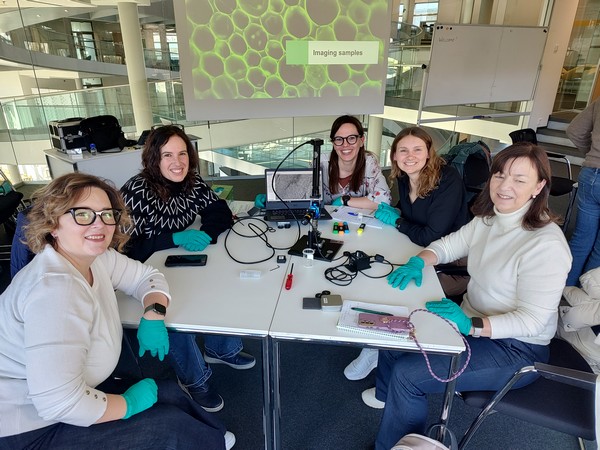
Building on her professional development experience in Heidelberg, Vesna was also introduced to innovative teaching tools such as Microscope in Action (MiA)—an educational kit that brings fluorescence microscopy directly into the classroom. MiA enables students aged 14+ to engage in hands-on STEM learning by assembling their own microscope and exploring the principles and applications of fluorescence microscopy. The kit supports interdisciplinary learning, linking biology and physics with chemistry, technology, and even the arts, while helping students understand the connection between scientific research and real-world applications. At the same time, it fosters key skills such as teamwork, communication, and critical thinking, making it a valuable resource for both formal and informal educational settings.
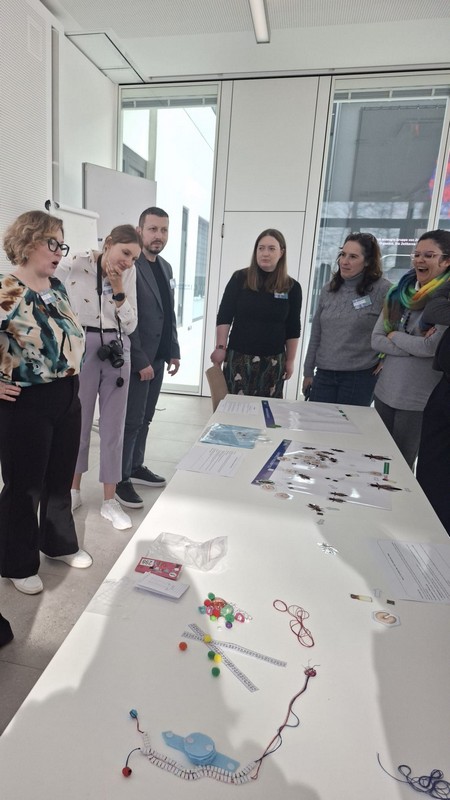
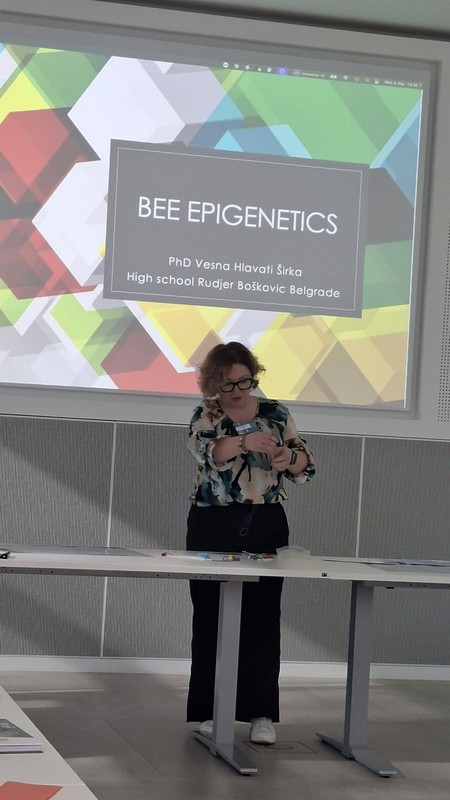
Vesna delivered a lecture on the topic of bee epigenetics and presented hands-on teaching materials, demonstrating practical activities that help students better understand complex epigenetic concepts through active learning.
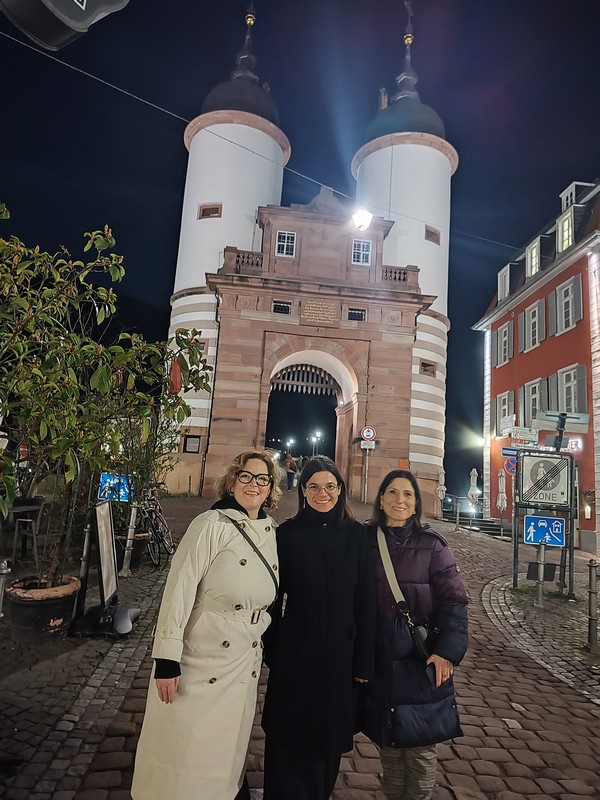
Beyond the inspiring academic environment, the city offered a unique blend of history and culture, with its picturesque old town, the iconic Heidelberg Castle overlooking the Neckar River, and a vibrant international atmosphere shaped by students and researchers from around the world. This visit not only enriched her professional development but also provided valuable cultural insights and connections that will support her future work in science education.